


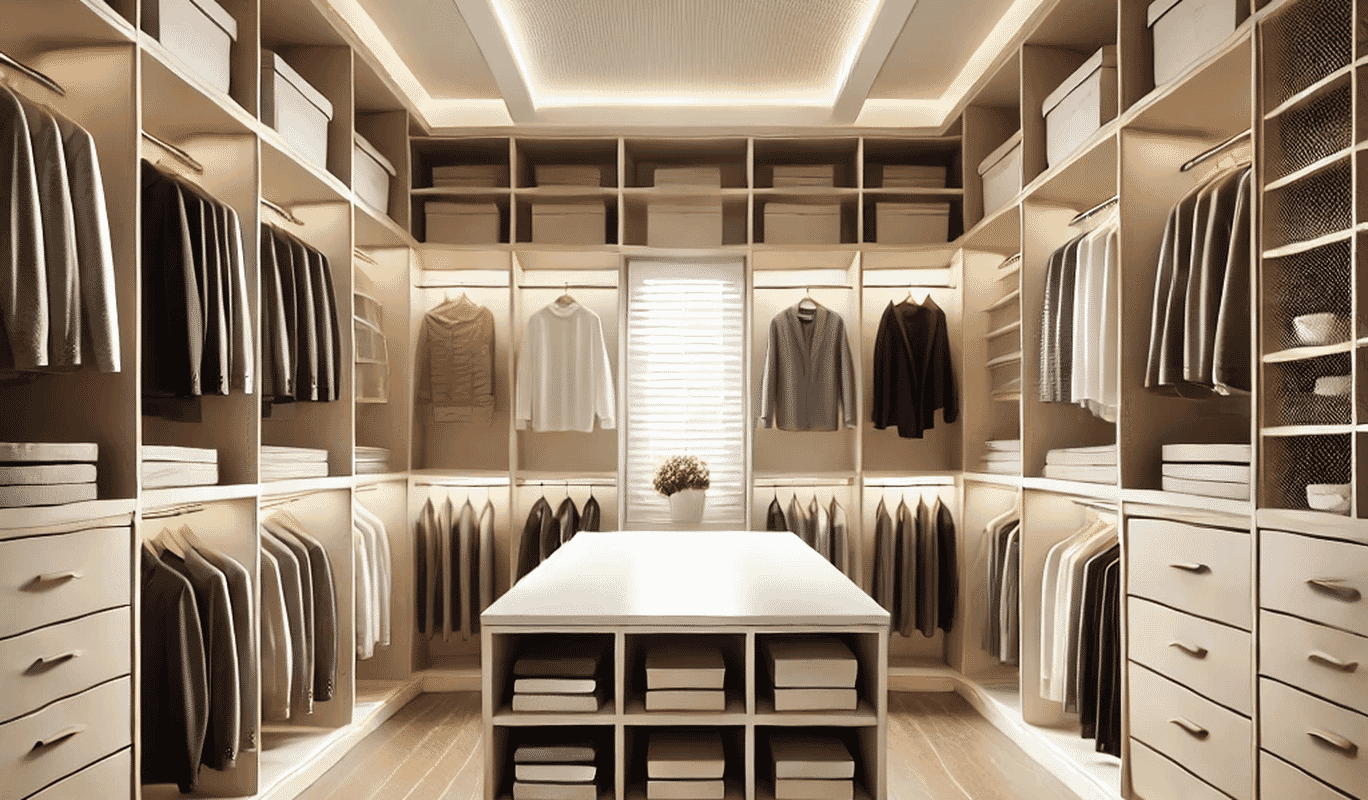
Walk-in closets are more than oversized storage-they're personal dressing environments, thoughtfully tailored to elevate daily routines. From simple wardrobe access to boutique-style experiences, walk-ins enable a level of customization, comfort, and functionality not possible in standard closets. This guide is focused exclusively on walk-in closets - how to plan them, zone them, accessorize them, and transform them into spaces that fit your life.
1. Purpose-Built Walk-In Layouts
Walk-in closets function like mini rooms and require efficient layout planning to maintain clear pathways and logical organization. Unlike single-wall or reach-in formats, walk-ins support multidimensional storage. Core layout types include:
- L-shape (6' x 6'+): Ideal for bedrooms with angled entryways or shared wall adjacencies. Separate the long arm for hanging and the short for shelves or accessories.
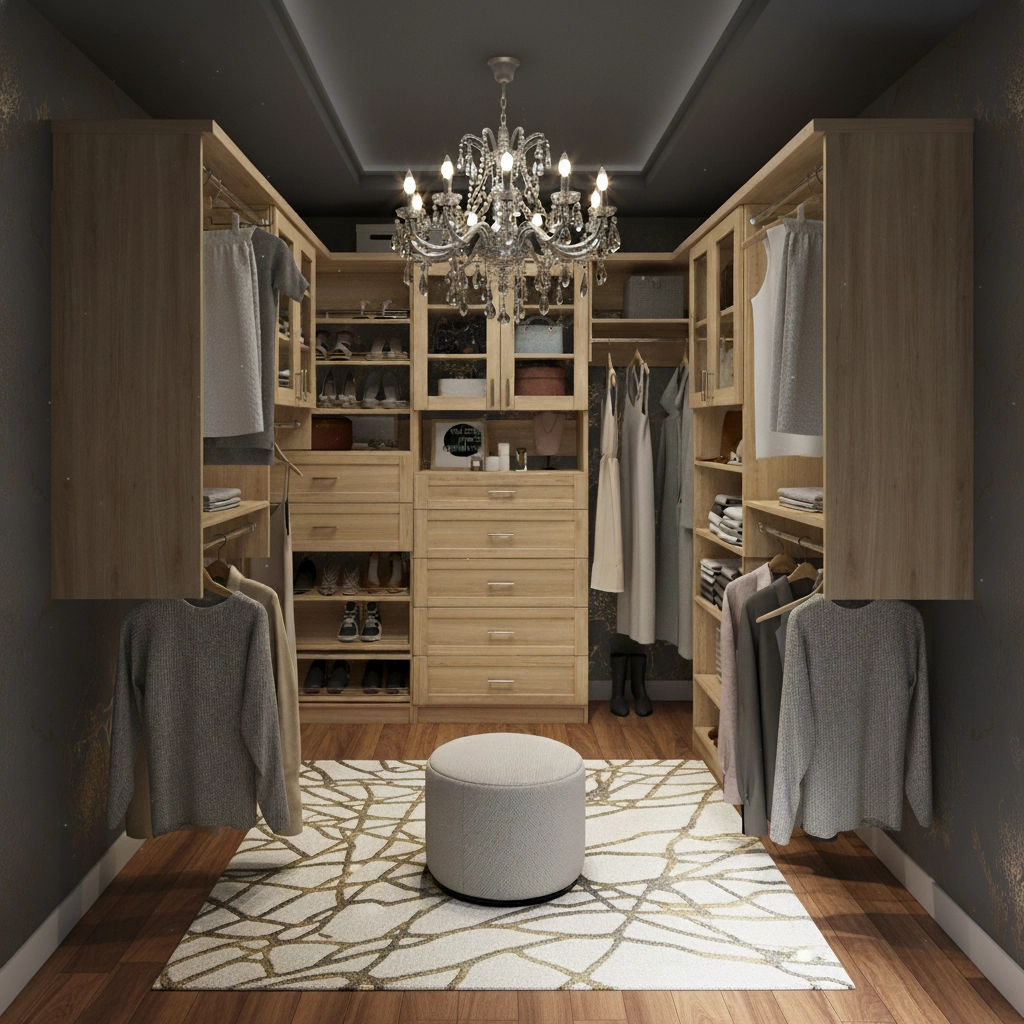
- U-shape (8' x 8'+): Envelops the user in three-sided storage. Suitable for primary suites with a central clearance of at least 36". Great for dual-user closets or luxurious personal spaces.
- Gallery/double-wall (5' x 8' or 6' x 10'): Best in narrow spaces. One side can prioritize double hanging and drawers, the other for shoes and accessories.
- Island configuration (10' x 12'+): Requires wide spacing. Islands add surface area and drawer storage and create boutique ambiance.
Always account for swing-clearance, lighting paths, and HVAC vents. Use barn or pocket doors where floor space is tight.
2. Dedicated Zoning for Garment Types
Walk-in closets excel at zoning. Use garment type to inform each wall's vertical and horizontal layout:
- Tall hanging (60–84"): For gowns, coats, and robes. Typically placed at section ends to minimize overlap and preserve garment length.
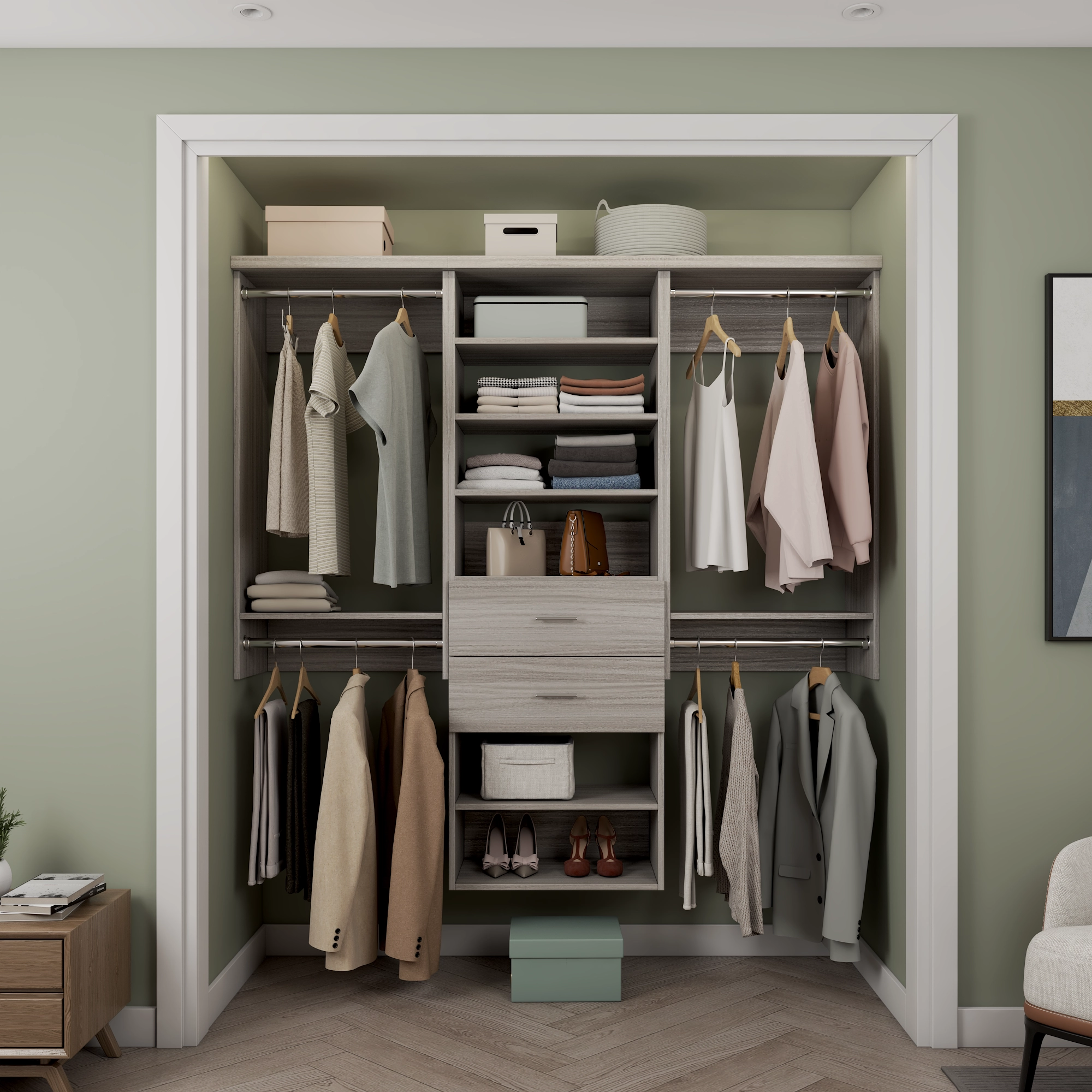
- Medium hanging (45–60"): Ideal for everyday shirts and jackets. Works well above shallow drawers or baskets.
- Short hanging (32–44"): Used alone or stacked as double hanging. Ideal for pants, skirts, and daily wear in high-density sections.
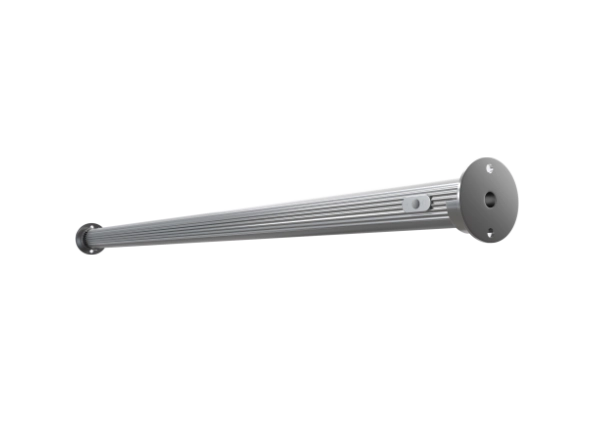
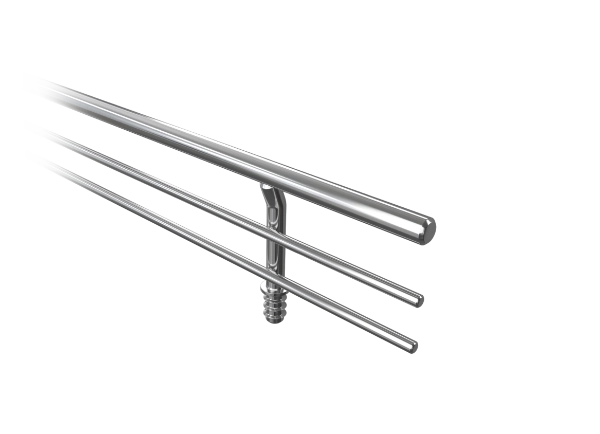
Use hanging type to guide traffic: tall hanging away from entry, frequently accessed zones near central access. Lighted closet rods help showcase your garments in dark corners.
3. Shoe Storage That Makes a Statement
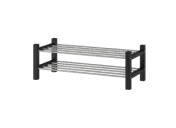
Walk-in closets give shoes the display treatment they deserve. Slanted shoe shelves with metal toe rails hold 3–4 pairs per shelf in 24–30" sections. They're ideal for focal walls or integration under short hanging zones. Add under-shelf LED strips to create visual drama. Avoid mixing shoes with folded clothing - create dedicated towers or side columns. For collectors, allocate a full wall with uniform spacing for display consistency.
4. Drawer Variety for Diverse Storage Needs
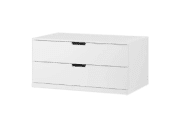
Walk-in closets thrive with mixed drawer formats. Two drawer depths are standard:
- 6" slim drawers: For small garments, accessories, and tech. Perfect for upper stacks or vanity zones.
- 8" standard drawers: Store everyday folded items like sleepwear, gym gear, or knits.
Drawer faces include slab, shaker, and reveal. Reveal drawers offer translucent or inlaid panels - excellent for display and contrast. Organize drawers in towers or beneath hanging. Walk-ins allow deeper stacks (up to 5 drawers) without compromising space.
5. Shelves and Baskets Tailored to Walk-In Use
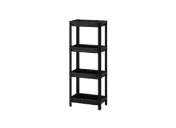
Shelving in walk-ins adapts to long-term storage and daily access. Plan depth and spacing by item:
- 8" shelves: lightweight items or quick-access apparel
- 12–14" shelves: jeans, sweaters, or bulkier stacks
- 16" shelves: high-capacity or decorative display
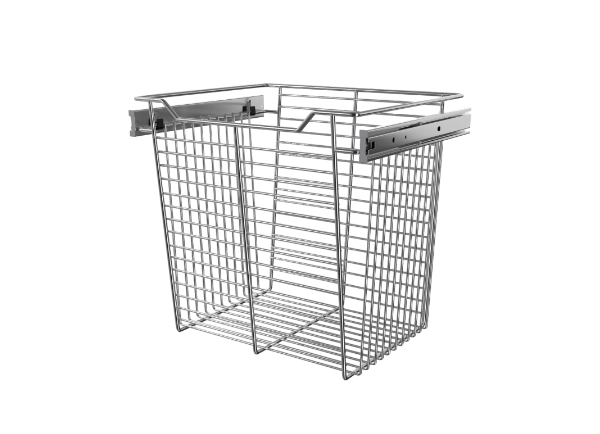
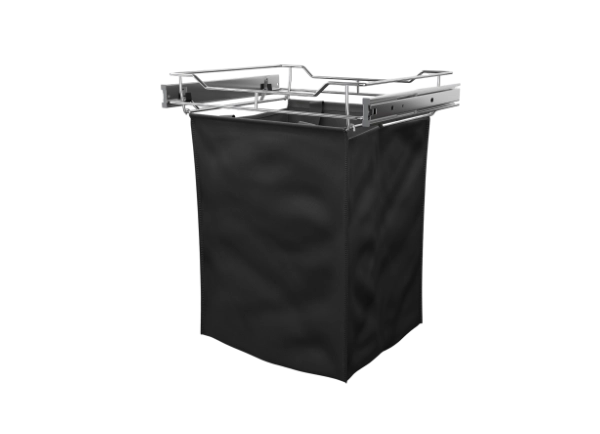
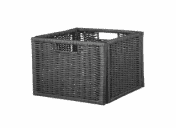
Baskets are available in 6", 8", and 16" heights - commonly referred to as slim, standard, and tall. They can be placed within any compatible section. Use shallow baskets for accessories, standard for folded clothing, and tall for linens or laundry. Soft-close rails and ventilated designs help keep contents visible and accessible.
6. Accessory Integration for Daily Efficiency
Walk-in closets provide the room to add clever accessories that enhance convenience:
- Slide-out mirror: Mounts within 14–18" towers. Pulls out, pivots, and stows away cleanly.
- Compact ironing board: Hidden under drawers, folds forward on demand.
- Jewelry organizers: Velvet or felt trays sized for slim drawers. Segment rings, watches, and more.
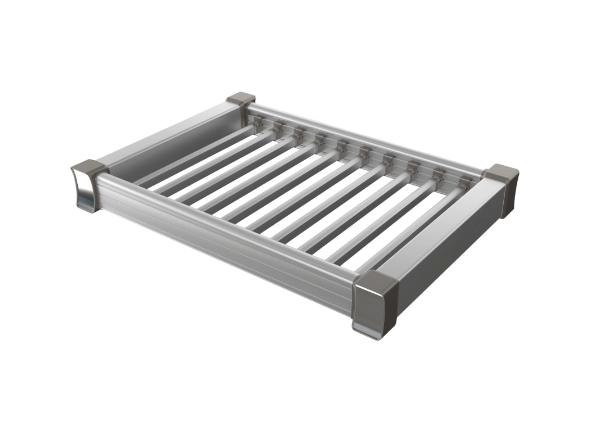
- Belt/tie racks: Mounted inside panels or slide-outs. Keeps wardrobe extras within reach.
These features convert a walk-in into a true dressing environment - not just storage.
7. Lighting That Enhances Visibility and Atmosphere
Walk-ins are ideal for layered lighting systems. Combine these types:
- LED rods: Built into hanging zones. Highlight fabrics and colors directly.
- Vertical LED strips: Mounted inside towers. Even illumination across shelves and baskets.
- Ceiling lights: Use flush fixtures, chandeliers, or recessed lights based on ceiling height. Add dimmers for mood.
Position light where garments live - not just the center of the room. Warm light (2700–3000K) keeps tones accurate while softening shadows.
8. Walk-In System Construction and Styling
Our closet system is built for modular walk-in builds. Key structural specs:
- Panels: 18mm thick verticals, 36mm top panels for stability and visual weight
- Widths: Modules from 18" to 36", designed as standalone units (no shared walls)
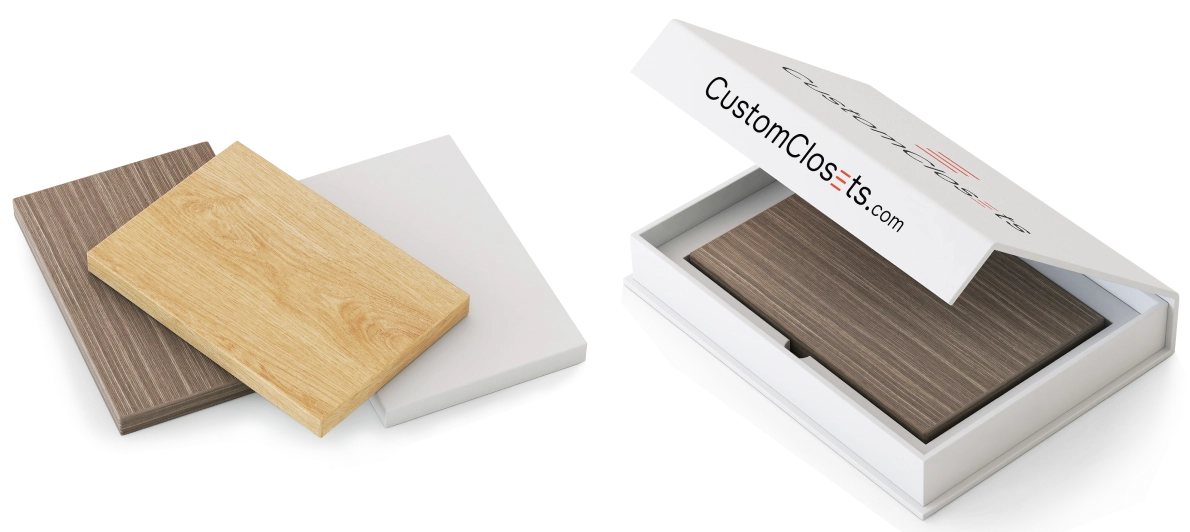
- Finish options: Harmony White, Classic Oak, Slate Oak, Soft Grey
- Face styles: Slab for modern, Shaker for classic, Reveal for refined contrast
Use accent panels or light contrasts behind shoe sections. Add brass or matte black hardware for stylistic flair.
9. Assembly & Layout Flexibility
Toolless floor-mounted installation ensures durability and ease. Towers can be swapped or relocated over time. Wall-mounted floating shelves extend capacity without eating floor space. Baseboard spacers and stud anchors keep systems flush and secure. For complex layouts, a professional installer can ensure ideal alignment and safety.
10. Future-Proofing the Space
One of the biggest benefits of walk-in closets is adaptability. Leave open wall space for future towers. Design towers that can evolve - basket to drawer, shelf to hanging. Shared walk-ins can shift over time with modular additions. Think beyond today’s wardrobe and allow flexibility for how your lifestyle changes.
Conclusion
Designing a walk-in closet is about more than storage - it's about flow, convenience, beauty, and future flexibility. Unlike general closets, walk-ins give you the space to implement layered zones, luxury features, and personalized functionality. Plan your layout with real use in mind, choose lighting and accessories that simplify your routine, and build a closet that doesn’t just hold clothing - it enhances your lifestyle.